


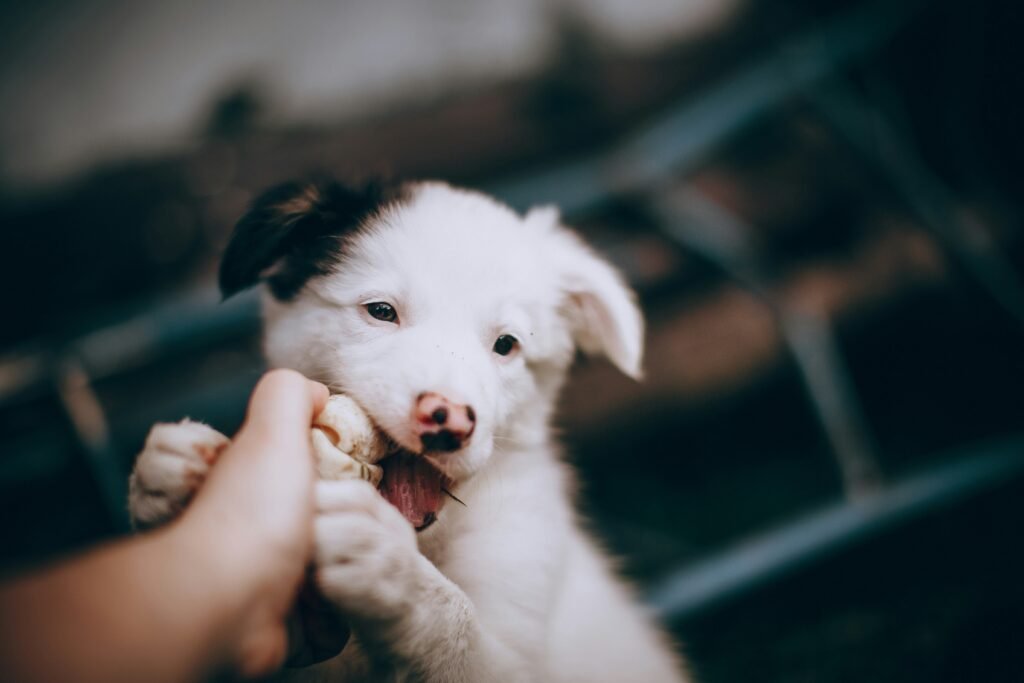
The New Zealand Veterinary Association Te Pae Kirehe (NZVA) is urging the public to spread the word about the importance of parvovirus vaccinations.
Parvovirus is a highly contagious, potentially fatal viral disease affecting the dog’s gastrointestinal tract.
Those most at risk are young (six weeks to six months), unvaccinated, or incompletely vaccinated puppies. Parvovirus can be passed on when dogs sniff, lick or eat contaminated faeces, or through encountering food and water bowls, or footwear that contains the virus.
The best protection against parvovirus is through vaccination, as advised by a veterinarian.
“Veterinarians have seen significant outbreaks over the last few weeks in certain regions, particularly Northland, Auckland, and Wellington,” NZVA Head of Veterinary Services – Companion Animal, Sally Cory said
“If you know someone who is getting a puppy or has a dog, be proactive in spreading the word because vaccinations save lives.”

She said financial pressures are increasingly a driving factor in people putting off vaccinating their puppy or dog.
“However, vaccinations are highly effective, cost significantly less than the cost of treating parvovirus, and help to prevent tragedy.”
“If you are planning on getting a new puppy, or you know someone who is, encourage them to factor in the cost for the course of vaccinations and get them sorted at the recommended time.”
“Seeing animals that need emergency treatment for a preventable illness is very difficult for everyone involved,” Sally said.
When purchasing a puppy, owners should be told if vaccinations have been started or not.
If the puppy has had any initial vaccinations, it should come with a vaccine booklet detailing what has been given and when the next booster vaccination is due.
If there is no proof that vaccinations have been administered, Sally Cory advises owners to assume the puppy has not been vaccinated and discuss it with their veterinarian.
If adult dogs received their full puppy vaccination programme, they should receive their first parvo booster at 12 months, and then every three years.
At the same time as preventing the risk of parvovirus, owners should not forget that it is extremely important puppies are well-socialised.
Tips to reduce the risks of your puppy contracting parvovirus
- The signs of parvovirus usually occur within five to seven days of exposure and may include lethargy, lack of appetite and fever that then progresses to vomiting and bloody diarrhoea. The disease can progress quickly, and severe disease often results in death.
- If your puppy or dog is unwell, contact your veterinarian for advice. It’s important to let them know if the animal has not been vaccinated, is only partially vaccinated, or if their vaccines are overdue.
- Get them vaccinated by a veterinarian. Parvovirus is highly preventable with the right vaccinations.
- Keep them away from unvaccinated dogs and public areas where dogs commonly walk.
- Keep them restricted to properties with no history of parvovirus as the disease can survive in affected areas for years.
- Make sure no one is bringing potentially contaminated material on to your property (remember to ‘clean the poo from your shoe!’)
- The incidence of parvovirus varies between locations. Talk to your veterinarian about the local parvovirus risk, and an appropriate vaccination and socialisation programme for your