


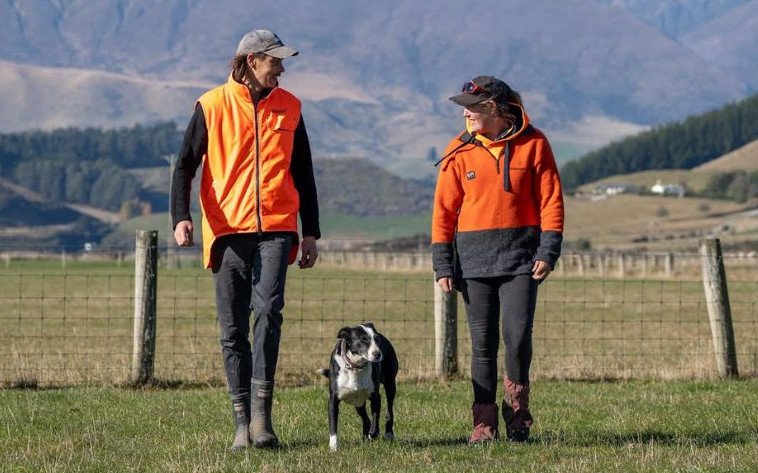
The initial tranche of the first genetic study of working farm dogs in New Zealand has uncovered five significant inherited health conditions across the selected huntaway and heading dog populations.
The Massey University research team behind the Right Dog for the Job project has so far analysed the DNA of 249 farm dogs, most sourced from Pamu (Landcorp Farming Ltd) farms.
The study looks for genetic variants linked to disease, paving the way for better breeding practices and improved working dog health.
“We have been encouraging our shepherds to get their dogs tested as part of the Right Dog Project,” said Pamu CE Mark Leslie.
“It’s not only good for their breeding decisions, but ultimately building research and development of genetic information about working dogs will contribute to improving the health of farm dogs across the motu.”

The study has so far genome-sequenced 130 huntaways, 104 heading dogs, and 15 mixed breeds. Researchers focused on 400 known genetic mutations previously reported in other dog breeds, pinpointing 27 variants present in New Zealand’s farm dogs — five of which could lead to serious health issues.
The five most notable genetic conditions found include:
- Vitamin B12 Deficiency (CUBN variant) – Can cause poor growth and health if untreated (6 carriers).
- Neuronal Ceroid Lipofuscinosis (NCL) (CLN8 variant) – A severe brain disease leading to loss of movement, seizures, and blindness (21 carriers).
- Mucopolysaccharidosis IIIA (SGSH variant) – A rare neurological disorder affecting huntaways (5 carriers).
- Degenerative Myelopathy (DM) (SOD1 variant) – A spinal cord disease that can result in progressive mobility loss (46 carriers, 5 affected dogs).
- Von Willebrand Disease (VWF variant) – A bleeding disorder that makes dogs vulnerable to excessive blood loss (9 carriers, 1 affected dog).
Since these conditions are recessive, dogs carrying only one affected gene do not develop the disease.
However, if two carriers are bred together, up to 25% of their puppies could be affected.
Researchers said the findings demonstrate the importance of genetic testing working dogs before breeding them, to avoid producing puppies with life-threatening conditions.