


By Renata Roma, Researcher Associate – Pawsitive Connections Lab, University of Saskatchewan
What influences your decisions about career, family, health, and social life? We often explain these choices by talking about our professional and personal aspirations, financial realities, and family needs. However, for a growing number of people, a new element is central to this scenario: the pet.
And research shows that their impact goes beyond companionship.
As a psychotherapist and researcher who has been exploring the influence of pets on people’s lives for over a decade, part of my job is to understand the needs of pet owners and how to support them. This type of study has gained more attention in recent decades. Various research shows that keeping up with the evolving role of pets in modern society is essential not only to adjust services to people’s needs, but also to better understand how they can shape people’s identities, values, and priorities.
Are you going to change jobs or travel? Talk to your pet first
A survey including 1,800 pet guardians revealed just how deep that connection is: 30% of those who work online said they would be more inclined to return to the office if they could bring their pets into the office. Nearly a third value time off specifically for caring for their companion animals, and a quarter would like to see pet-related perks included in their employee benefits.
Another survey involved 5,000 American owners and revealed that, especially among childless couples, pets influence decisions from travel to social commitments or work. Many people prefer to cancel social events or miss work to take care of their pets. Others say that they spend more money on their pets than on themselves.
Among millennials, this behavioral trend is even more evident and 60% of them would consider leaving their jobs if in their current positions they encountered barriers to caring for their pets. Some have already left their jobs for reasons related to their pets. In addition, almost 50% of owners describe symptoms related to separation anxiety when they are not with their pets, and more than half fear that the animal may be suffering from their absence.
Beyond the work environment, pets are also influencing travel-related behaviours, with an increased demand for pet travel certificates in the U.S. and other countries. Another survey reveals that some travel less often after adopting a companion animal because they don’t want to leave their pets alone.
What good this change brings and what can complicate it
Financially, pets are becoming high-priority members of the family. A LifeHealth survey showed that many Americans spend more on pet care than they do on themselves. Similarly, a study from the United Kingdom found that 71% of owners spend more on their pets than on themselves.
This deepening emotional bond has led to important cultural changes. Some studies suggest a growing trend toward “humanization” of pets, with dogs and cats being treated like children at birthday parties and other forms of care. While not universal, this shift reflects broader changes in lifestyle and even links to declining birth rates.
It is important to note that although perceiving the pet as a member of the family has a positive impact on mental health, ignoring the real needs of animals and humanizing them can have negative consequences for the well-being of pets and their owners, including anxiety and emotional dependence.
The real impact behind these “simple” decisions
These shifts in the way people live and care for their pets say a lot about what is important to them, showing how they see themselves, what they value, and what they are willing to prioritize. What is often dismissed as a “cute detail” is actually a window into emotional structure and social belonging.
In these surveys, many tutors talk about the therapeutic and emotional impact of their pets. About 95% of pet owners believe that having a pet has had a positive impact on their mental health, and 56% of them say that the pet has literally saved their lives.
When health or social services professionals take into account this aspect of people’s lives, they are better equipped to understand what is really going on in their minds when they make specific choices related to important areas of their lives. It’s not just about pets as mere details. In fact, it is about connection, identity, and daily decisions.

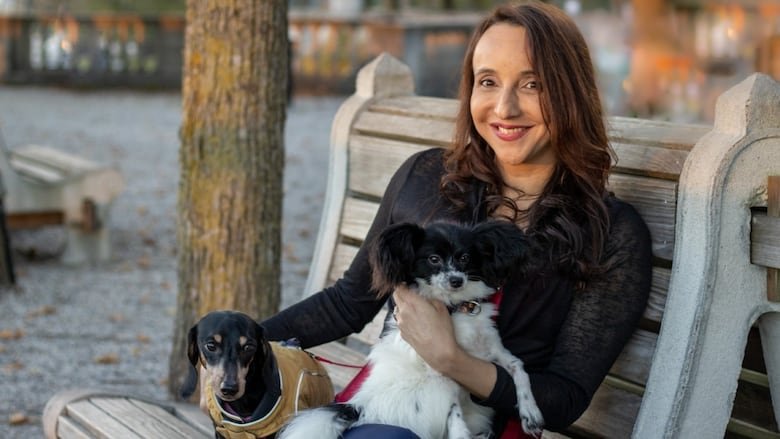
Understanding how pets have influenced key life decisions can offer useful information for health and social services professionals. However, healthcare professionals rarely include questions about pets in clinical evaluations. A change in perspective can help healthcare professionals better understand whether and how the relationship between people and their companion animals impacts emotional well-being and daily decisions.
Taking pets seriously is understanding the world as it is today
While the traditional life path once centered on marriage, children, and a stable career, many people today envision futures where their parents remain central figures. Some people are willing to earn less, change jobs, or change housing options to prioritize the needs of their pets. These are not just isolated preferences. They reflect broader changes and reveal a transformation in how people define themselves.
What these studies make clear is that we need to stop treating relationships with pets as mere footnotes and start recognizing them as meaningful influences in how people see themselves and make decisions, especially among younger generations.
Taking this data seriously means creating more inclusive and responsive systems that reflect how people actually live and what, or whom, they care about. formation and decision-making, especially for younger generations. Taking this data seriously means building more inclusive and responsive structures in a way that reflects how people live and what (or whom) they care about.
At its heart, this perspective invites a more empathetic kind of care – one where people feel seen, supported, and emotionally understood.
Renata Roma, Researcher Associate – Pawsitive Connections Lab, University of Saskatchewan
This article was originally published in Portuguese on The Conversation. Republished here with permission and translated by Renata Roma under a Creative Commons license.
Read the original article.