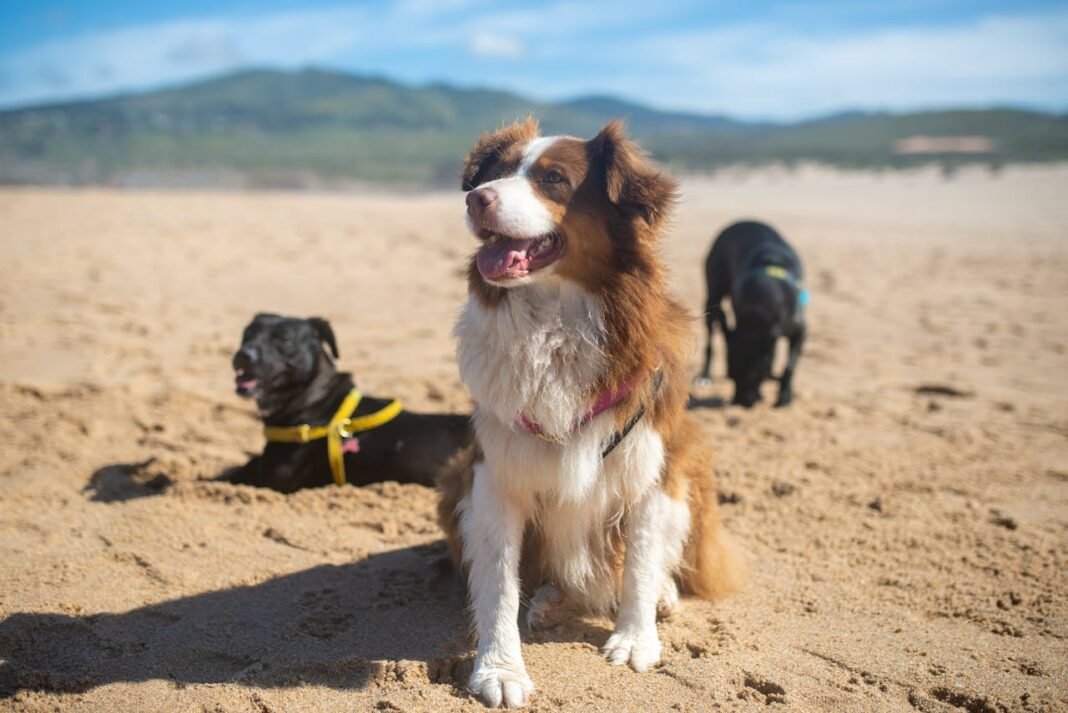

Temperatures across parts of New Zealand and Australia have reached record levels this week.
Thanks to the SPCA we have some suggestions to help keep your dog happy, healthy and cool.
Dogs respond differently to heat than people do.
Unlike us, sweating isn’t effective in cooling them down. They can only sweat small amounts through their paws, and rely mainly on panting to cool down.
This makes them susceptible to heat stress in warmer weather. In the summer months, pet owners should take extra care with older or overweight pets, brachycephalic breeds, and those suffering from cardiac conditions.
- You can half-fill a shallow children’s paddling pool for your dog to bathe in. Just make sure your dog can get in and out easily.
- Put ice cubes in an indoor bowl, and freeze a big block of ice for your dog’s outdoor bowl.
- Doggie ice blocks are also a great way to keep them hydrated. Just freeze your dog’s favourite treat in water, inside a Kong, or an ice-cream container.
- You can find cooling mats at most pet stores. These can be used as crate liners or as beds, and can be helpful for other animals too.
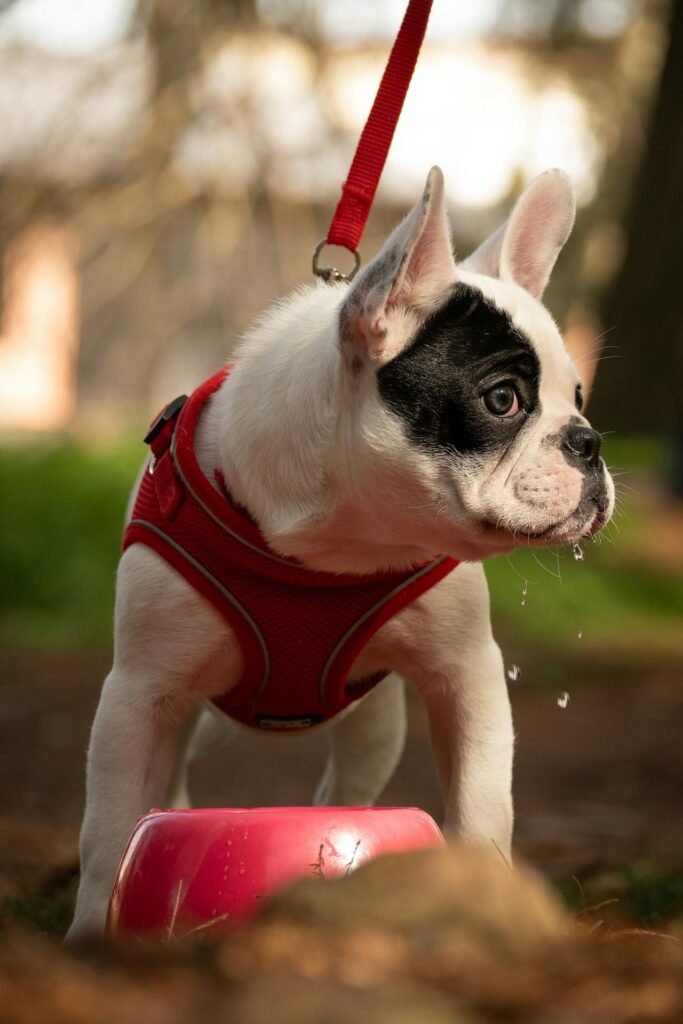
Photo by Solange Dini:
Take extra care while exercising your pet
Exercising in the scorching sun and during the hottest hours of the day can be dangerous for your pet. It is important you exercise your pet early in the morning or in the evening throughout the summer months as these are the coolest times of day and your pet is less likely to overheat.
Avoid long and strenuous walks on warm, sunny days, and steer clear of prolonged sun exposure.
Many cases of heat stroke in dogs are due to strenuous physical exercise on warm days, so it is important that you pay attention to your pet’s needs and avoid overexertion.
Take your pets to an area that has shade or a place for them to swim so they can take a break to cool off, and if they want to slow down or stop, follow their lead.
Dogs with flat faces, such as bulldogs and pugs, are more susceptible to heat stroke since they cannot breathe or pant as effectively as dogs with longer noses. Take extra care with dogs of these breeds when exercising in the summer.
Having fresh water available for your pet is essential all year-round, but even more important when it’s hot outside. Bring a dog-friendly water bottle along with you when you’re out walking or playing in the park, and always ensure that there is fresh water available for all animals after exercising.
Hot cars can kill
On a warm day, the inside of your car heats up very quickly. The temperature inside a closed vehicle in the sun can reach 50 degrees Celsius in less than 15 minutes. Opening the windows slightly has very little effect.
A normal dog’s body temperature is around 38.5°C. Dogs only sweat a small amount through their paws and rely on panting to cool down. In a hot car, even with the windows slightly open, panting is not enough to keep a dog’s body temperature within a safe range.
A dog can withstand a body temperature of 41°C for a short amount of time but will quickly suffer irreparable brain damage and even death. Heat stroke is a serious condition for dogs with mortality rates between 39-50%. Y
oung, overweight or elderly animals, or those with short muzzles or thick, dark-coloured coats are most at risk of overheating.
Please don’t leave your dog unattended in a car at any time of the day. If the purpose of your trip is not to take your dog somewhere, please leave your dog at home.
It is an offence under the Animal Welfare (Care and Procedures) Regulations 2018, to leave a dog in a hot vehicle if they are showing signs of heat stress, such as excessive panting, drooling or hyperventilation, and shade-seeking.
The dog owner and the owner of the vehicle can be fined $300, and if the dog’s welfare is significantly impacted, you could be prosecuted under the Animal Welfare Act 1999.
If you find a dog locked in a car in distress, please call the Police or your local SPCA immediately. Do not smash the window as this puts both you and the dog at risk.
Beware of sunburn
Just like people, animals can also suffer from sunburn! Pets who are fair-skinned or light-haired are particularly susceptible to the sun’s harsh rays.
Skin cancer occurs commonly in dogs and cats, and even though the fur provides some sun protection, your pet needs a sunblock applied every 3-4 hours on areas that have no, or little, hair.
The good news is you can buy pet-friendly sunscreen to rub on the tips of their ears, on the end of their nose, and on their stomach – these are the most commonly sunburnt areas.
Normal sunscreen ingredients include zinc oxide, which can be toxic to animals, so pet-friendly sunscreen is best.
Remember the 5 second rule
Remember, if the pavement or sand is too hot for you, it is too hot for your pet! Your dog’s feet can get burnt and blistered on the hot ground, particularly hot pavements, asphalt or scorching beach sand.
Hot black iron-rich sands are found along much of the Western Coast of the North Island and can cause huge damage to the paws of your furry friends.
Check if it’s a safe temperature by placing the back of your hand on the pavement or sand for five seconds.
If it’s too hot to keep your hand there then your pet shouldn’t be out walking on it.